What Can I Draw With My Points?
Pick your state and species, then resident or nonresident and your point count. You get every hunt with historical draw odds at that point level, highest first, each linked to its hunt page.
Get draw deadline reminders
An email before every Texas and Western draw application closes.
Bonus: the free 2027 Western draw deadline calendar (PDF) when you sign up. Free. A few emails a year, timed to deadlines and results. Unsubscribe anytime.
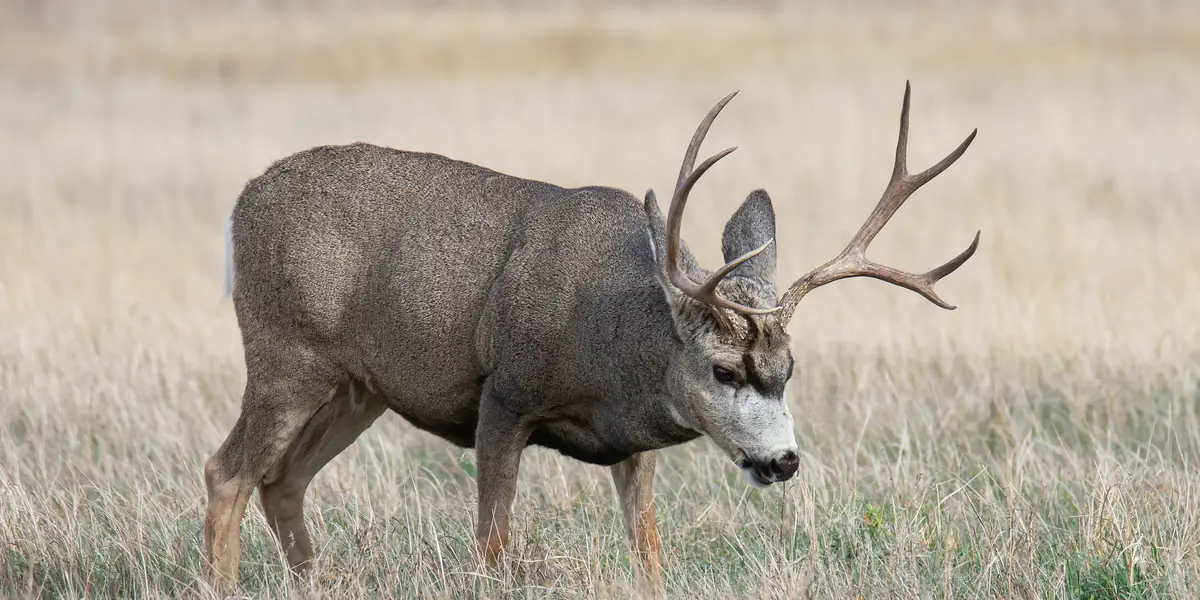
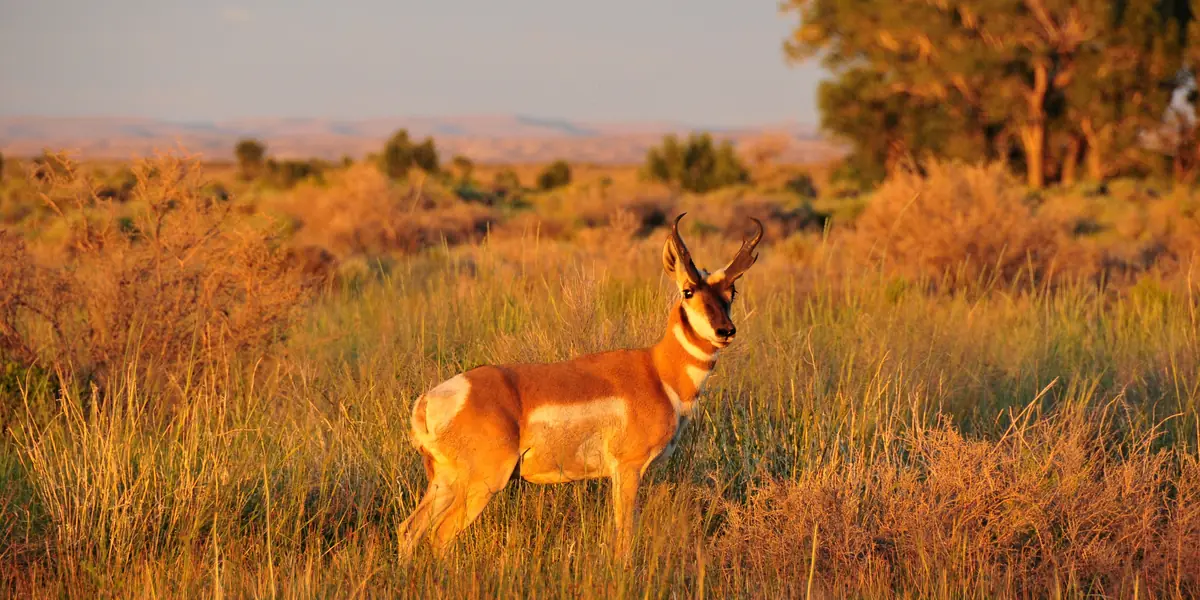
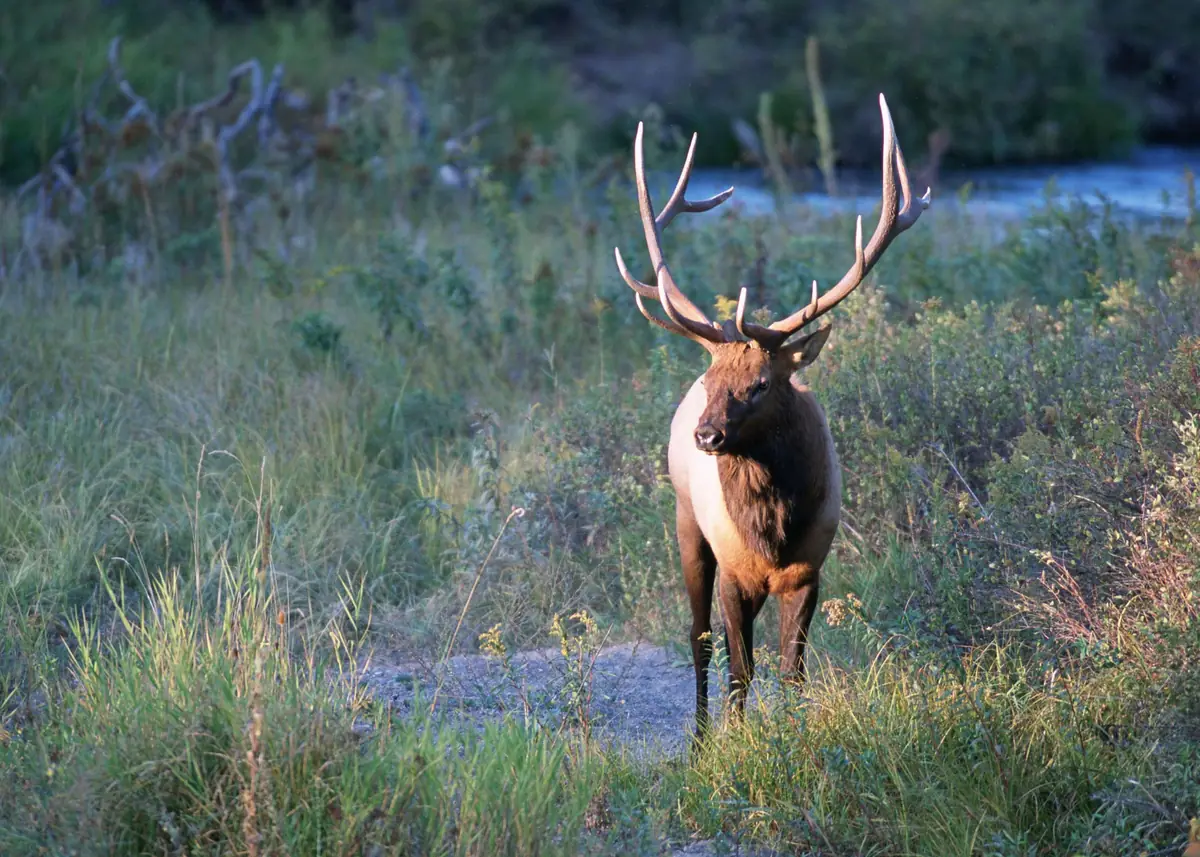
1. Pick a state and species


2. Pick resident or nonresident and your points
Each state and species page has a row of point counts for residents and one for nonresidents. Tap yours. Examples: Colorado elk, nonresident, 3 points · Wyoming elk, nonresident, 5 points · Montana elk, resident, 0 points.
Texas: random draws, no point levels
TPWD’s 400 drawn hunt areas are filled by random drawing. Some categories weight entries by loyalty points, but TPWD publishes applicants and permits only by hunt area, not by point level, so there is no “with N points” list to show. Every Texas area page shows last year’s simple odds instead. Texas drawn hunt odds · How Texas loyalty points work.
Methodology
- Data: only TagCanyon’s own fact tables, parsed from the CPW Draw Recaps, WGFD Demand Reports and FWP Drawing Statistics. The latest draw year for each species is used.
- Odds at your level: first-choice applicants at your exact point count who drew, divided by all first-choice applicants at that count.
- Colorado and Wyoming are preference-point draws. Where nobody held your exact count, we only fill in 100% when the agency’s own results put the cut below you.
- Montana uses squared bonus points, so there is no cut: only levels with reported applicants are listed.
- Wyoming residents draw elk, deer and antelope at random: one list ranked by quota over first-choice applicants.
- Sorted by odds, then by how many applicants held your point count. Hunts where nobody at your level drew are counted but not listed.
- Point pages stop at 30 points. Point pages listing fewer than three hunts are marked noindex.
Odds are historical, not a promise
Every number here is what happened in one past draw. Applicant counts, quotas and point creep change every year, so your odds next year can be higher or lower. Check the agency’s regulations before you apply.
Data gaps
- Texas: no point-level results published by TPWD.
- Wyoming: party applications with averaged points (WGFD’s “<” rows) and special-license pools are on the hunt pages, not in this tool.
- Colorado and Montana: youth and landowner-preference pools are left out; adult first-choice applicants only.
- Point levels with no applicants in the report have no odds, so they are missing from the lists.
Sources: Colorado Parks and Wildlife (CPW), Wyoming Game and Fish Department (WGFD), Montana Fish, Wildlife & Parks (FWP), and the Texas Parks and Wildlife Department (TPWD). TagCanyon is not affiliated with or endorsed by any of these agencies.
Comparing options? TagCanyon vs paid draw odds tools: prices, states and features, checked Oct 2026.
Frequently asked questions
What can I draw with my points?
Pick a state and species above, then resident or nonresident and your point count. The list shows every hunt that drew applicants at that exact level in the latest draw, highest odds first.
Are these odds a promise?
No. They are what happened in one past draw. Next year's odds move with applicants, quotas and point creep.
Does Texas use points?
Texas drawn hunts are random drawings run by TPWD. Some categories add loyalty-point weighting, but TPWD does not publish results by point level, so there is nothing to list by points.
Never miss a draw
Apply on time
One short email before each application window closes, and another when results post. Free.
Get deadline emailsGet draw deadline reminders
Texas drawn hunt deadlines (Jul to Nov) and Western draw windows (Jan to Jun), plus results when they post. Sign up and get the free 2027 draw deadline calendar (PDF). Unsubscribe anytime.