
Hunting Layers
We may earn from gear links on this page. Odds never change because of it. How we earn
Dress for the walk in and the hours you spend still. Build a flexible system for stands, blinds, glassing and cold-weather hikes, with dry layers ready when the weather changes.

Dress For Movement, Then For Stillness
A stand sit, a duck blind and a ridge-top glassing session all lose heat differently from a steep walk. Start with a moisture-managing base, add breathable warmth while moving, and carry dry insulation that goes on as soon as you stop. A weather shell blocks wind and precipitation; it does not replace insulation.
Vent before you sweat. Remove a layer on the climb, keep a dry hat and gloves protected in your pack, and put your warm layer on before you become chilled. Choose quiet fabric for close-range stands and enough room to shoulder your firearm or draw without binding.
Base Layers
Choose merino or synthetic next to skin. Fit matters: a base should move moisture without bunching under other clothing. Avoid relying on damp cotton for warmth.
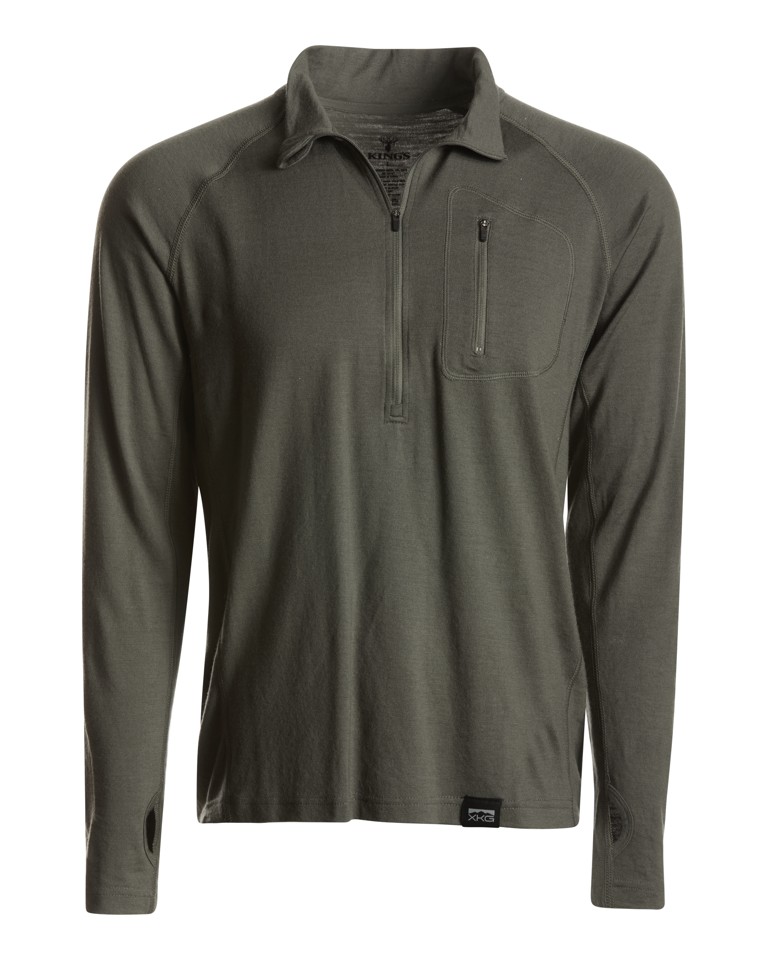
XKG Foundation 260 Merino 1/4 Zip
Olive / L
$129.99
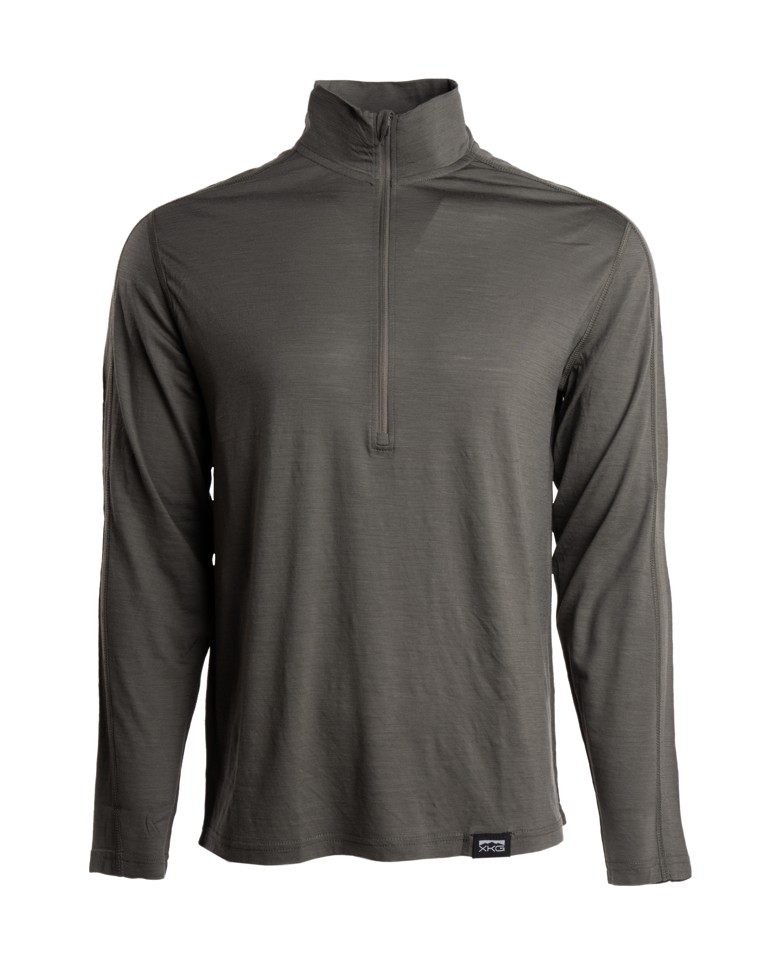
Kings XKG Foundation 150 Merino 1/4 Zip
The next-to-skin merino layer moves sweat off you on the walk in, so you do not chill once you sit.
Olive / L
$109.99
Warmth For Stands, Blinds & Glassing
Down packs small for dry cold; synthetic insulation is more forgiving of repeated damp conditions. Keep either protected from wet brush and precipitation. A vest adds core warmth without bulky sleeves.
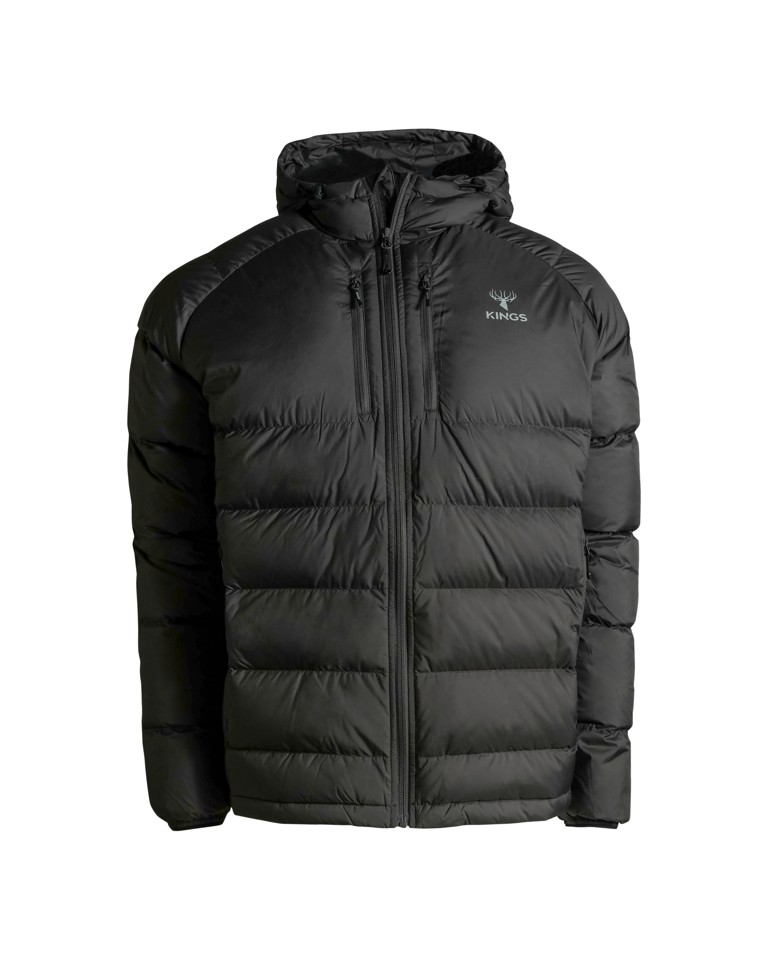
Kings XKG Down Transition Jacket
Camo outer layer for cold-weather glassing. Insulated pieces earn their keep when you sit still.
Charcoal / L
$329.99
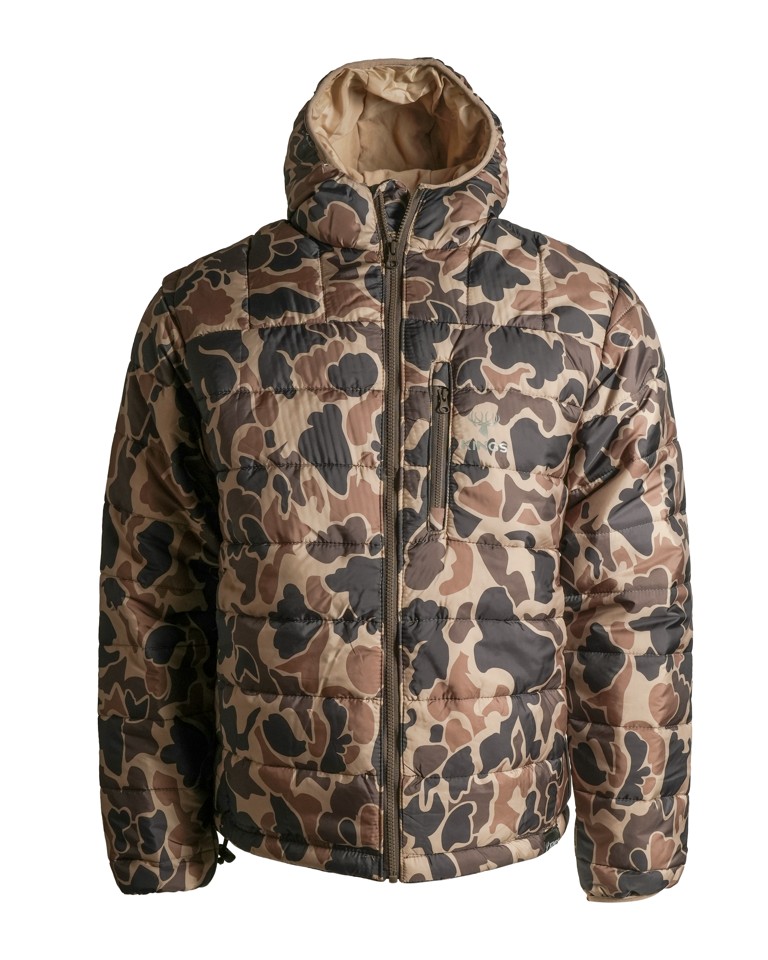
Kings Hunter Insulated Loft Jacket
Classic Camo / L
$109.99
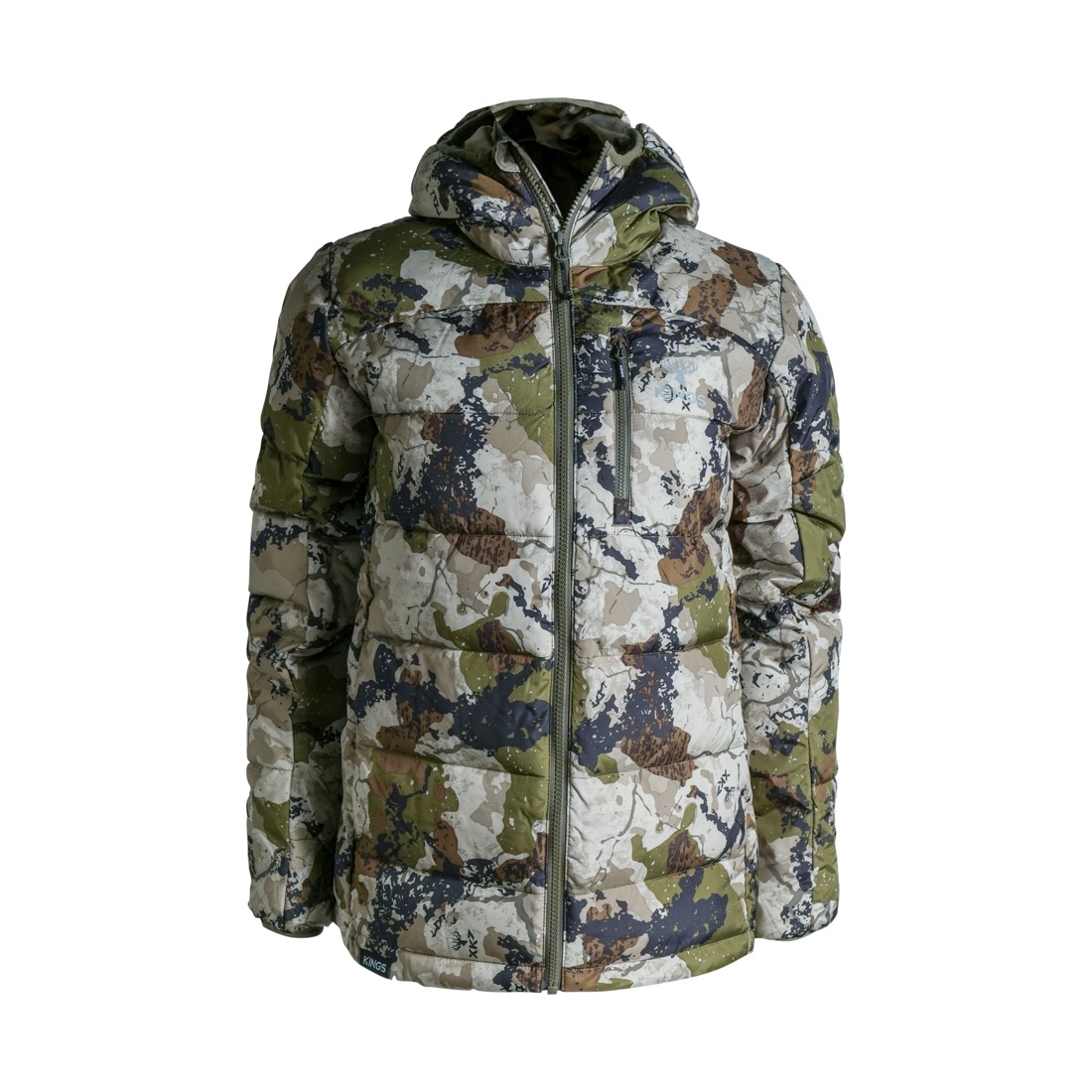
Women's Hunter Insulated Loft Jacket
XK7 / M
$109.99
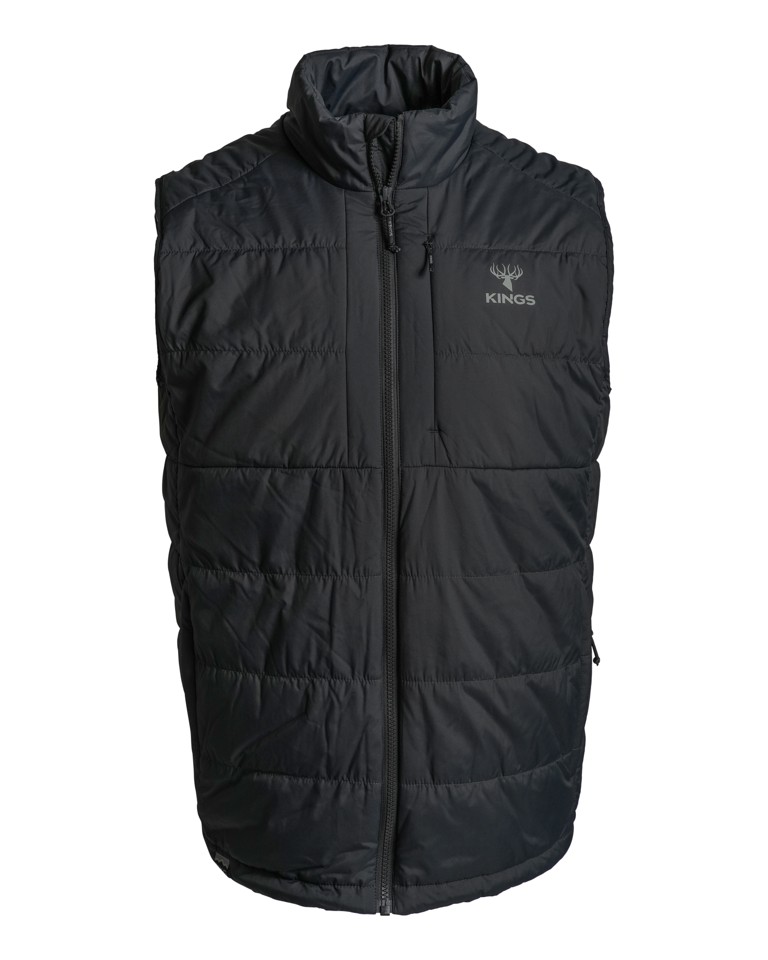
XKG Transition Vest
Black / L
$189.99
Wind, Rain & Wet Snow
Use a wind-blocking or waterproof outer layer appropriate to the forecast. Vent early and make sure the shell fits over insulation without compressing it. Carry rain protection even when you expect to spend most of the day under cover.
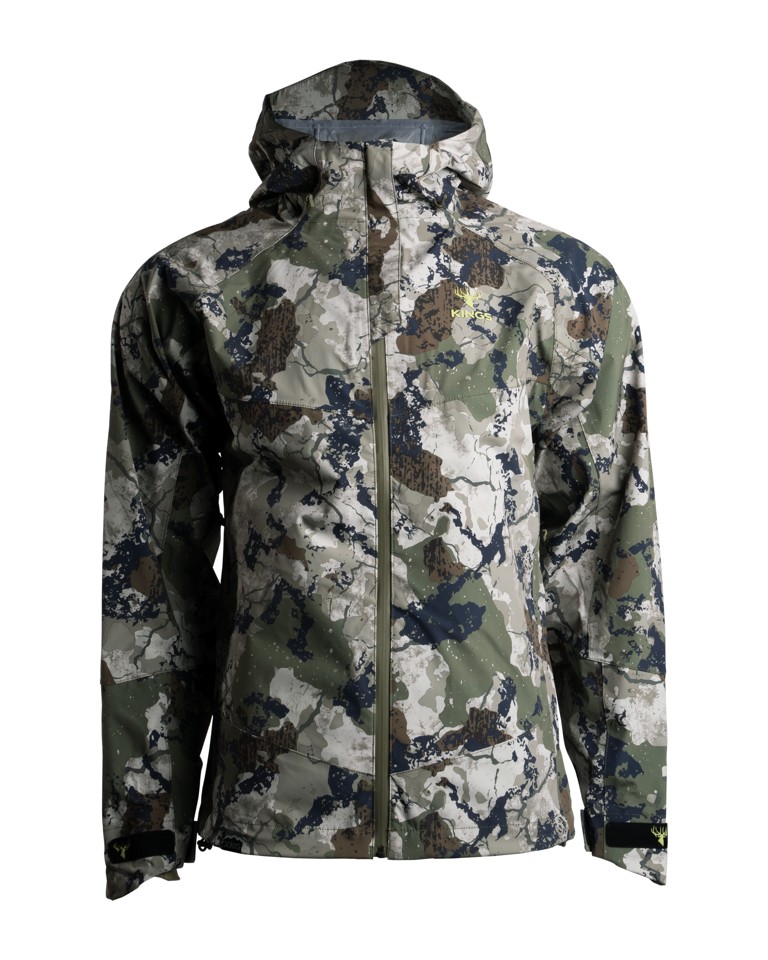
Kings XKG Paramount Rain Jacket
XK7 / L
$259.99
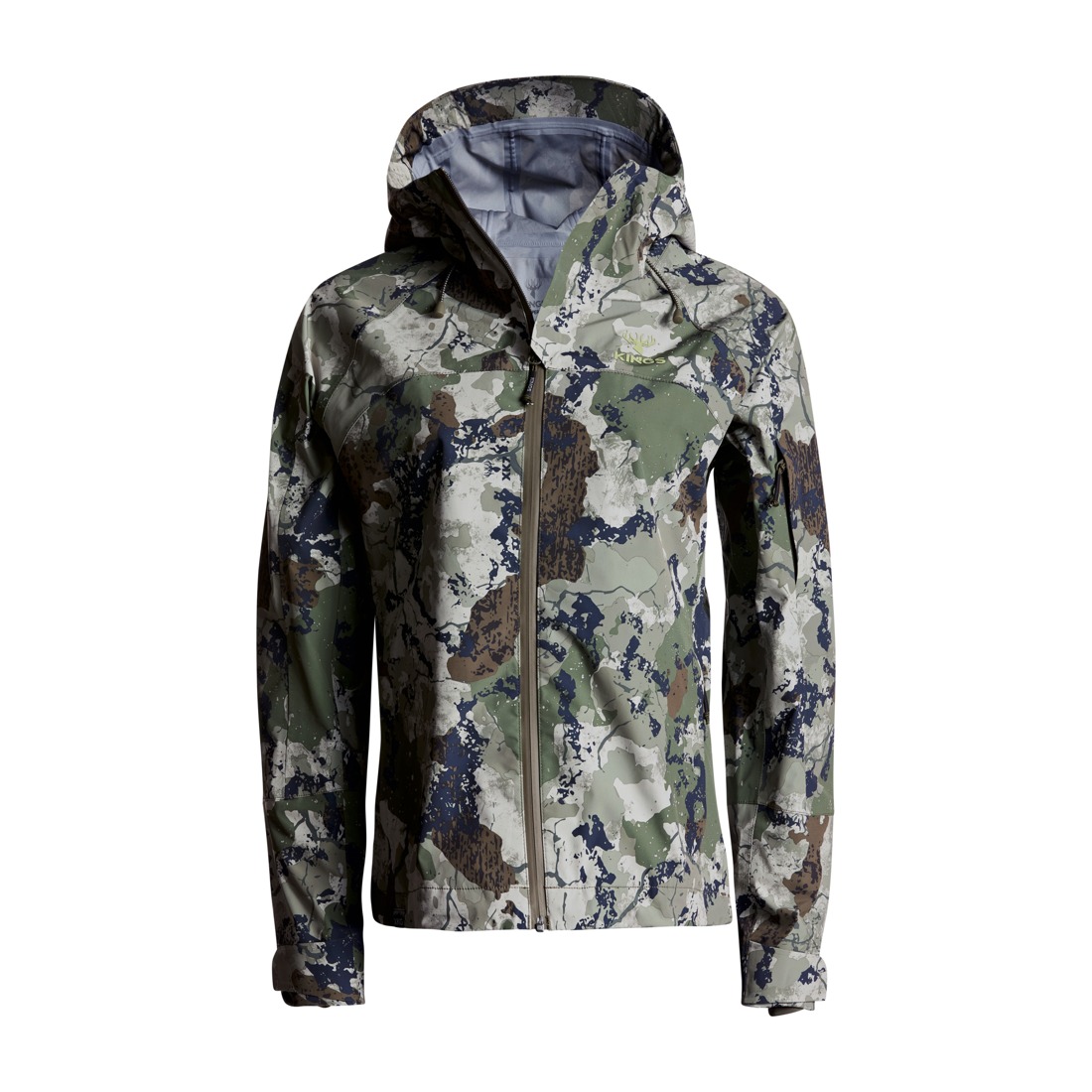
Women's XKG Paramount Rain Jacket
XK7 / M
$259.99
Layering By Conditions
| Hunt | Start With | When You Stop |
|---|---|---|
| Tree Stand Or Ground Blind | Light walking layers for the approach | Dry insulation, warm seat, wind protection, insulated hands and feet |
| Waterfowl Blind | Moisture-managing base and weather protection | Warm insulation kept dry; use water-appropriate boots or waders and carry spare socks |
| Ridge-Top Glassing | Breathable base and removable walking layer | Insulated jacket, wind shell, dry gloves and a pad between you and cold ground |
| cold-weather Hike | Base plus only the warmth needed at your pace | Add insulation immediately at breaks; keep a dry reserve for an unplanned delay |
One western example: on a Montana cold-weather elk hunt, keep the climb light and carry your glassing insulation. The same principle applies to a deer stand or a cold marsh blind: match clothing to movement, wind and moisture rather than to the animal on your tag.
Plan For A Colder, Longer Day
No fixed layer count guarantees comfort or safety. Forecast temperature, wind, wetness, duration, shelter and your own cold tolerance all matter. Carry spare dry layers, food, water and a reliable way to call for help. Persistent shivering, confusion or loss of coordination are reasons to seek shelter and help, not to keep hunting.
Protect your feet, hands, ears and neck. Never use a fuel-burning heater in an enclosed blind without following its ventilation and clearance instructions. Review Headlamps & Safety and Safety Equipment For Your Hunt before heading out.
Build The Rest Of Your Layers
Get draw deadline reminders
Deadline reminders + free 2027 calendar PDF. Gearing up for a draw hunt? Get an email before each draw application closes, soonest first.
Free. A few emails a year. Unsubscribe anytime.