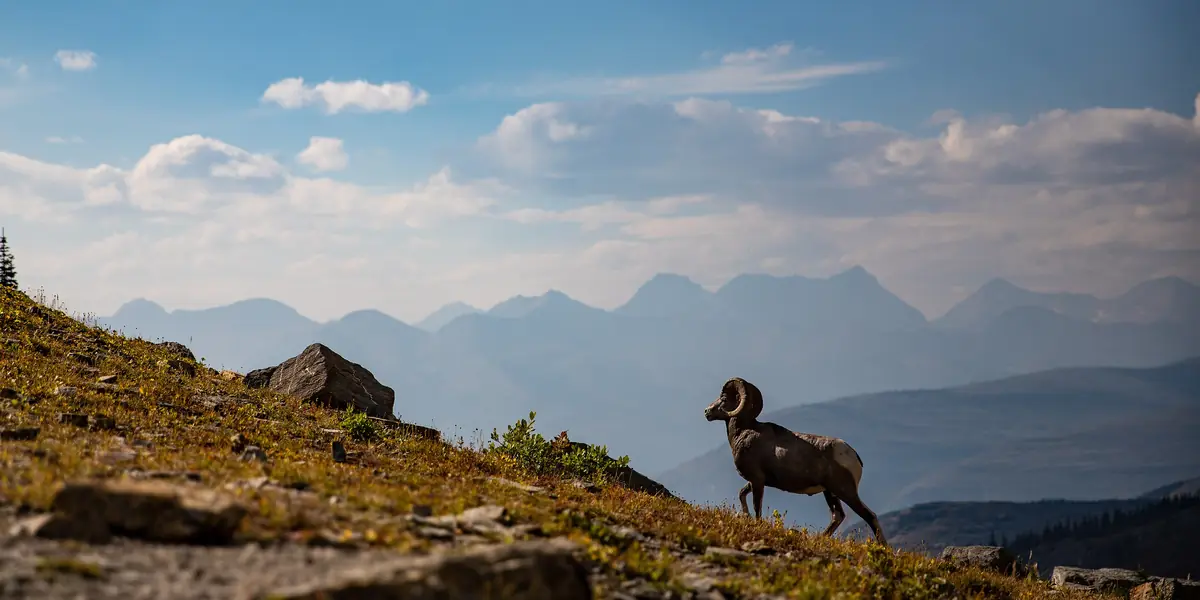
High-Country Hunt Fitness Guide
A 12-week plan to get your legs, lungs and back ready for steep backcountry elk, mule deer and sheep country, with a pack-weight progression and altitude basics.

Get draw deadline reminders
An email before every Texas and Western draw application closes.
Bonus: the free 2027 Western draw deadline calendar (PDF) when you sign up. Free. A few emails a year, timed to deadlines and results. Unsubscribe anytime.
Why high-country fitness matters
Western draw hunts often mean long climbs before daylight, side-hilling on loose ground and, if things go right, a heavy pack-out. Being fit enough to keep going on day four, not just day one, gives you more hours glassing and more chances at a good shot. Once you hold a tag, the 2027 draw deadlines tell you how much runway you have.
The 12-week plan
Three phases build on each other: a base of easy aerobic work, a build phase that adds hills and weight, and a short taper so you arrive rested. Every fourth week is lighter on purpose. If a week feels too hard, repeat it rather than pushing ahead.
| Week | Phase | Cardio and hills | Strength | Pack walk |
|---|---|---|---|---|
| 1 | Base | 3 easy sessions of 30 to 40 min (walk, bike, easy jog) | 2 full-body sessions: squats, step-ups, lunges, rows, planks | No pack. Learn your easy, talk-out-loud pace |
| 2 | Base | 3 sessions of 35 to 45 min, one on rolling hills | 2 sessions, add a set where it felt easy | Light pack, about 10% of body weight, 45 min |
| 3 | Base | 3 sessions of 40 to 50 min | 2 sessions; add single-leg work and carries | About 10% of body weight, 60 min with some hills |
| 4 | Recovery | 2 to 3 easy sessions, shorter than week 3 | 1 to 2 lighter sessions | Light pack, 45 min. Let your legs catch up |
| 5 | Build | One longer session of 60 to 75 min plus 2 shorter | 2 sessions; step-ups to a box near knee height | About 15% of body weight, 75 min on hills or stairs |
| 6 | Build | Add one interval session: 6 to 8 hard uphill efforts of 1 to 2 min | 2 sessions; add downhill-control work (slow lowering) | About 15 to 20%, 90 min with real climbing |
| 7 | Build | Long session of 75 to 90 min plus intervals | 2 sessions, keep weights steady | About 20%, 1.5 to 2 hours |
| 8 | Recovery | 2 to 3 easy sessions | 1 to 2 lighter sessions | About 15%, 60 min easy |
| 9 | Peak | Long session of 90 min or more on the steepest ground you have | 2 sessions; emphasize step-ups and lunges with a pack on | About 20 to 25%, 2 to 3 hours |
| 10 | Peak | Back-to-back days: a long hike, then a moderate one | 1 to 2 sessions | Hunt-weight pack you plan to carry, 3 hours or more |
| 11 | Taper | 2 to 3 moderate sessions, cut total time by about a third | 1 short session | Hunt pack, 60 to 90 min. Break in boots and layers |
| 12 | Taper | 2 short easy sessions, rest 2 days before you travel | Mobility only | A short walk in full kit to check fit |
Pack-weight progression
Your back, hips and feet adapt more slowly than your heart and lungs. Add weight in small steps and change only one thing at a time: weight, distance or steepness.
- Weeks 1 to 4: no pack, then about 10% of body weight on flat or rolling ground.
- Weeks 5 to 8: about 15 to 20% of body weight, with hills or stairs.
- Weeks 9 to 10: build toward your expected hunt weight, often 20 to 25% of body weight for a multi-day trip.
- Weeks 11 to 12: keep the hunt pack but shorten the walks so you arrive fresh.
Downhills are where many knees and quads complain. Walk them slowly, shorten your stride and consider trekking poles. Wear the boots and socks you will hunt in so blisters show up at home, not on the mountain.
Altitude prep basics
Many elk and sheep units sit above 8,000 feet. Fitness helps you work harder at any elevation, but it does not acclimatize you; only time at altitude does that. The CDC’s travel-to-high-altitudes guidance covers the basics, and these general steps follow it:
- Arrive a day or two early and spend your first night at a moderate elevation if you can.
- Gain elevation gradually and skip hard exercise for the first day or two above 8,000 feet.
- Drink water regularly, avoid alcohol for the first couple of days and keep eating, even if your appetite drops.
- Learn the warning signs: headache with nausea, dizziness, unusual tiredness or poor sleep.
- Do not climb higher with symptoms. If they get worse, descend and get medical help.
- Ask your doctor before the trip about medication and any health conditions.
Packs to train and hunt with
Training with the pack you plan to carry is the easiest way to find hot spots and fit problems early. These are chosen on review reputation from hunters who bought and used them, across any brand.
- Top pickStone Glacier Sky 5900 pack
Chosen on review reputation
MSRP $725.00 · Price checked Oct 24, 2026
A frame pack reviewers praise for carrying heavy loads. Training with the pack you will hunt with lets you dial in the fit long before opening day.
- Mid pickEberlestock Switchblade pack
Chosen on review reputation
From $249.00 · Price checked Oct 24, 2026
A long-running, well-reviewed internal-frame day pack. A good size for weekday hill walks and day hunts out of a base camp.
- Best value pickKUIU Divide 1200 pack
Chosen on review reputation
MSRP $139.00 · Price checked Oct 24, 2026
A light, well-reviewed lumbar and day pack for early-plan walks, scouting trips and short hunts.
Frequently asked questions
How long does it take to train for a backcountry elk hunt?
Twelve weeks is a common, realistic window for someone who already exercises a little. If you are starting from very little activity, give yourself longer and talk to your doctor before you begin.
How heavy a training pack do I need?
Start light, around 10% of your body weight, and build slowly toward the weight you expect to carry on the hunt. Many plans cap everyday training loads at about a quarter of body weight. Go heavier only for short, controlled sessions and stop if anything hurts.
Can I prepare for altitude if I live near sea level?
Training can improve your fitness, but it does not acclimatize you to thin air. The most useful steps are general ones the CDC describes: arrive a day or two early if you can, gain elevation gradually, drink water and know the symptoms of altitude illness.
What are the warning signs of altitude sickness?
Headache with tiredness, nausea, dizziness or poor sleep after a climb. Do not go higher while you have symptoms. If they get worse, or you have confusion, poor balance or breathlessness at rest, descend and get medical help right away.
Do I need a gym?
No. Stairs, hills, a loaded pack and bodyweight exercises such as squats, lunges and step-ups cover most of the plan.
Is this plan medical advice?
No. It is general fitness information for healthy adults. Check with a doctor before starting a new training program, especially if you have heart, lung or joint conditions.
Next: 2027 draw application deadlines, elk hunting boots, points tool, Colorado elk odds, Western draw hunt optics guide and the hunting gift guide. Hunting late? The late-season layering guide covers base layers, insulation, shells and vests.
Hunting in November or December?
See the late-season layering guide: a Top pick, Mid pick and Best value pick in base layers, insulated jackets, shells and vests, with men’s and women’s links.
Need boots for elk country?
See the elk hunting boots guide: a Top pick, Mid pick and Best value pick, chosen on review reputation, with dated prices.
Never miss a draw
Apply on time
One short email before each application window closes, and another when results post. Free.
Get deadline emails
Get draw deadline reminders
Texas drawn hunt deadlines (Jul to Nov) and Western draw windows (Jan to Jun), plus results when they post. Sign up and get the free 2027 draw deadline calendar (PDF). Unsubscribe anytime.