Alaska Sheep, Goat and Big 5 Hunt Fitness: A 6-Month Training Plan
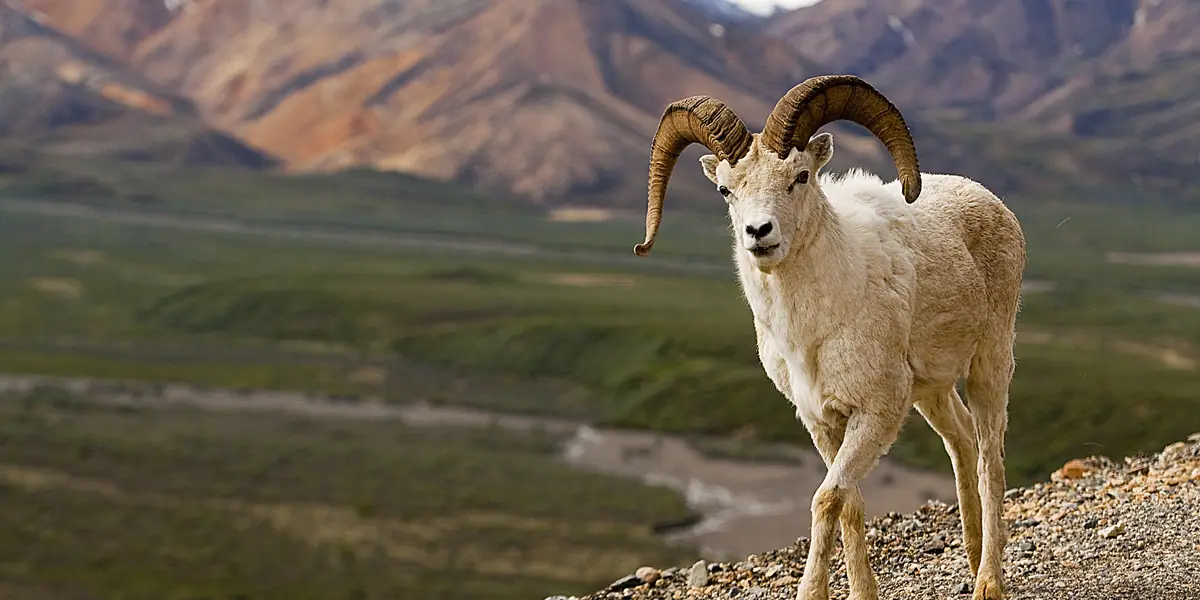
Drew a Dall sheep or mountain goat tag, or booked a moose, caribou or brown bear hunt? This 6-month plan builds the legs, back and stubbornness that Alaska country asks for, from the first easy hike to the final shakedown.
Get draw deadline reminders
Every state draw that matters, near-term deadlines first: an email before each application closes.
Bonus: the free 2027 draw deadline calendar (PDF) when you sign up. Free. A few emails a year, timed to deadlines and results. Unsubscribe anytime.
Why Alaska is harder than elk country
An elk hunt in the Rockies is hard. An Alaska hunt is hard for longer, and with fewer ways out. Tundra tussocks roll your ankles with every step, alder thickets eat an hour to cross a few hundred yards, and your feet are wet by the end of day one. Hunts often run 10 to 14 days, and weather can pin you in the tent or delay the plane for days on either end. Sheep and goats live on steep shale where every step down loads your quads, and a moose can mean several trips with well over 100 lb on your back.
The good news: none of that takes special equipment to prepare for. It takes time, a loaded pack and hills. That is why this plan runs six months instead of twelve weeks. If you are training for a Lower-48 elk or mule deer hunt, the 12-week high-country plan is the better fit.
The 6-month timeline
Four blocks build on each other. Every fourth week, drop your volume by about a third so your body can absorb the work. If a week leaves you wrecked, repeat it instead of pushing on.
| Block | Focus | Weekly shape | Pack |
|---|---|---|---|
| Base: Months 6 to 4 | Aerobic engine and joint prep | 4 to 5 sessions: 3 easy cardio of 40 to 60 min, 2 full-body strength days, one longer weekend hike | Start at 25 to 30 lb on rolling ground |
| Build: Months 4 to 2 | Strength under load and hill volume | 2 strength days (step-ups, split squats, deadlifts, carries), 2 hill or stair days, 1 long loaded hike | 35 to 50 lb, adding about 5 lb every 2 weeks |
| Peak: Weeks 8 to 2 | Hunt-specific: steep downhill, side-hill, back-to-back days | 1 to 2 strength days, 1 interval hill day, back-to-back long days every other weekend | 50 to 60 lb for sheep and goat; short sessions to 70 to 80 lb for moose |
| Taper: Final 10 to 14 days | Arrive rested, not rusty | Cut volume by about half, keep a little intensity, final full-kit shakedown | Hunt pack as packed, short walks only |
- Base (months 6 to 4): mostly easy aerobic work you can talk through, plus full-body strength. This is the boring part that makes everything else possible.
- Build (months 4 to 2): heavier strength days and real hills. Add loaded step-ups and stair sessions, and make the weekend hike longer and steeper.
- Peak (weeks 8 to 2): train like the hunt. Back-to-back long days, steep descents, side-hilling and full meat-haul rehearsals.
- Taper (final 10 to 14 days): cut volume by about half. You cannot gain fitness in the last week, but you can lose freshness.
Pack-weight progression: 30 to 60-80 lb
Your heart and lungs adapt in weeks. Your back, hips, knees and feet take months. Change one thing at a time: weight, distance or steepness, never all three in one week.
- Month 6: about 30 lb on rolling trails or a treadmill at an incline.
- Months 5 to 4: 35 to 45 lb, adding about 5 lb every two weeks if your joints are quiet.
- Months 3 to 2: 45 to 60 lb, with weighted step-ups (box near knee height) and 30 to 60 minutes of stairs or hill repeats.
- Peak weeks: 55 to 60 lb as your sheep or goat pack. Moose and bear hunters add short, controlled carries at 70 to 80 lb.
A tip that saves knees: use water jugs for the heavy weight. On the way up, carry them full. At the top, pour some out and walk down lighter until your legs are ready for full-load descents.
Mountain grind for sheep and goats
Climbing gets the attention, but descents do the damage. Walking down steep ground means your quads are braking every step (eccentric work), and that is what leaves hunters limping on day three.
- Slow lowering: step-downs off a box, taking three seconds to lower, 3 sets of 8 to 12 per leg.
- Downhill hikes: once a week in the build and peak blocks, walk the steepest descent you can find with your pack. Short stride, trekking poles, no rushing.
- Side-hill and balance: walk across slopes in both directions, do single-leg balance work and lateral step-ups. Sheep country is rarely flat in any direction.
- Protect the knees: strong hips and hamstrings take load off the knee. Add hip bridges, side planks and Romanian deadlifts twice a week.
Tundra and moose meat hauls
Moose, caribou and bear hunts are less vertical and more grinding. A mature bull moose is a lot of meat, and it usually leaves camp on someone’s back in several trips over tussocks, bog and brush.
- Uneven-ground rucking: take your pack off the pavement. Plowed fields, sand, beach and rough trail all build the ankle strength tussocks demand.
- Grip and carry: farmer carries, suitcase carries and dead hangs. Meat bags, frames and quarters test your hands as much as your legs.
- Rehearse the haul: in peak weeks, carry 70 to 80 lb for a mile, rest, then do it again. Build the habit of short, steady carries instead of one heroic push.
Elevation vs weather
Most Alaska sheep, goat, moose and caribou hunting happens below about 7,000 feet, so thin air is rarely the limiter it can be on a high Colorado elk unit. The real limiter is cold rain, wind and day after day of wet gear. Train for that: go out on bad-weather days, practice eating and drinking while cold, and learn to stay moving without overheating in rain gear.
Train in your hunt gear
Make the last two months look like the hunt. Wear the exact boots, socks and layers you plan to bring, and carry the pack you will hunt with, packed the way you will pack it.
- Boots: stiff mountain boots need weeks of miles to break in. See our mountain hunting boots guide and gaiters for wet brush.
- Rain gear: test it in a real downpour, not a shower. The layering guide covers shells and insulation.
- Pack: load-carrying frame packs such as the Stone Glacier Sky 5900 or packs from KUIU are worth fitting early. Our gear hub has more.
- Comms and rescue: carry a satellite messenger and check medevac coverage before you fly into remote country.
Glass you will lean on
Fitness gets you to the glassing knob. Good optics let you judge a ram or a bull before you spend a day climbing to him. Chosen on review reputation from hunters who bought and used them. For a deeper look, see the draw hunt optics guide.
- Top pickLeupold VX-3HD 4.5-14x40 rifle scope
Chosen on review reputation
A brand our team has hunted with for years.
Light enough for a sheep rifle you carry for two weeks, with a lifetime warranty if a fall in the shale finds it.
Check price at OpticsPlanetAffiliate link
- Mid pickVortex Diamondback Tactical 4-16x44 FFP rifle scope
Chosen on review reputation
A brand our team has hunted with for years.
Enough magnification for a long look across a basin at a ram you need to judge before you commit.
Check price at OpticsPlanetAffiliate link
- Best value pickVortex Diamondback HD 10x42 binoculars
Chosen on review reputation
A brand our team has hunted with for years.
MSRP $329.99 · Price checked Oct 25, 2026
Bright, sharp glass for long glassing days, with a harness and the Vortex lifetime warranty.
Check price at OpticsPlanetAffiliate link
Injury prevention, recovery and how to tell you are ready
Most training injuries come from doing too much too soon. Sleep, eat enough protein, take the lighter weeks seriously and treat sharp or joint pain as a stop sign, not a challenge. Two to three weeks before you fly, these benchmarks are a good general check:
- Loaded climb: Climb 1,000 to 1,500 vertical feet in about an hour with 45 to 50 lb, then do it again the next day.
- Loaded descent: Walk 1,500 vertical feet down steep ground with your pack, with no knee pain the following morning.
- Long day: Cover 8 to 10 hours on your feet with 40 lb or more, still eating, drinking and thinking clearly at the end.
- Meat haul: Carry 70 to 80 lb for 1 to 2 miles over rough ground, in sections, without your back or knees protesting.
- Wet test: Spend a full day out in cold rain in your hunt gear and come home with feet that are only damp, not wrecked.
If two or more feel out of reach, it is not a reason to cancel. It is a reason to hunt smarter: plan shorter days, lighter loads and more time to get where you need to be.
Frequently asked questions
When do I start training for an Alaska sheep or goat hunt?
Six months is a solid window for most hunters who already exercise. If you are starting from little activity, give yourself longer and check with your doctor before you begin.
How heavy does my training pack need to get?
Build in small steps from about 30 lb toward 60 lb for sheep and goat hunts. Moose and bear hunters can add short, controlled sessions at 70 to 80 lb to rehearse meat hauls. Stop if anything hurts.
Do I need to train for altitude in Alaska?
Usually not much. Most Alaska sheep, goat, moose and caribou hunting happens below about 7,000 feet. Endurance, strong legs on descents and tolerance for cold rain matter far more.
Is elk fitness enough for Alaska?
It is a good start. Alaska usually adds longer hunts, weather days, tussocks, alders, wet feet and heavier meat loads, so plan for more volume and more downhill strength than an elk plan.
Do I train in my hunt boots?
Yes. Put real miles on the exact boots, socks and pack you will hunt with, so blisters and fit problems show up at home and not ten miles from the airstrip.
Is this plan medical advice?
No. It is general fitness information for healthy adults. Check with a doctor before starting a new training program, especially if you have heart, lung or joint conditions.
Next: Alaska hunting draw and deadlines, the 12-week high-country fitness plan, draw hunt optics guide, mountain hunting boots and season gear.
Never miss a draw
Apply on time
One short email before each application window closes, and another when results post. Free.
Get deadline emails
Get draw deadline reminders
Every state draw that matters, near-term deadlines first: the Alaska draw (Nov 1 to Dec 15), spring big-game draws (Jan to Jun) and Texas drawn hunts (Jul to Nov), plus results when they post. Sign up and get the free 2027 draw deadline calendar (PDF). Unsubscribe anytime.
That didn’t go through. Check the email address and try again.